
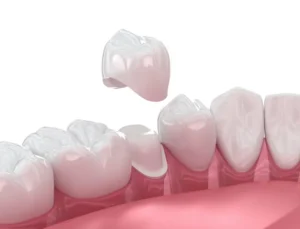
A dental crown is designed to restore the strength, function, and appearance of a damaged tooth. Whether your crown was placed due to decay, a fracture, or after a root canal, proper aftercare plays a major role in how long it lasts and how comfortable it feels. While crowns are durable, they are not indestructible, and the habits you form after placement can significantly affect their success.
What to Expect Right After Placement
It is normal to experience mild sensitivity or soreness after receiving a dental crown. Your tooth and surrounding gum tissue may feel tender, especially if local anesthesia was used or if the tooth required extensive preparation. Sensitivity to hot or cold temperatures can occur during the first few days, but this usually fades as your mouth adjusts. If your crown feels unusually high when you bite down, it is important to contact your dentist promptly, as even a small imbalance can cause discomfort or jaw pain over time.
Eating and Drinking After a Crown
Once your permanent crown is in place, you can generally return to your normal diet, but caution is still important. Chewing carefully during the first day allows the dental cement to fully set and reduces strain on the tooth. Hard or sticky foods can place unnecessary pressure on the crown and should be limited to prevent chipping or loosening. Extremely hot or cold foods may trigger sensitivity at first, so choosing lukewarm options can make eating more comfortable during the adjustment period.
Daily Oral Hygiene Matters
Maintaining excellent oral hygiene is essential for protecting your dental crown and the natural tooth underneath it. Brushing twice a day with a non-abrasive toothpaste helps prevent plaque buildup around the crown’s edges, where bacteria can cause decay. Flossing is just as important, as food particles and plaque can collect near the gumline. Sliding floss gently rather than snapping it upward reduces the risk of irritating the gums or dislodging the crown.
Protecting Your Crown from Damage
Although crowns are strong, they can still be damaged by excessive force. Using your teeth to open packages or biting on hard objects like ice can weaken or crack the crown. If you grind or clench your teeth, especially at night, a dentist-recommended mouthguard can help protect both your crown and your natural teeth. Being mindful of these habits helps extend the lifespan of your restoration.
Caring for Your Gums Around the Crown
Healthy gums are essential for the long-term success of a dental crown. Mild gum irritation around the crown is common shortly after placement, but this should improve with consistent oral care. Gentle brushing along the gumline and regular flossing help reduce inflammation. If you notice persistent redness, swelling, or bleeding, it may indicate that plaque is accumulating or that the crown margin needs evaluation by your dentist.
Recognizing When to Call Your Dentist
Some discomfort is normal after crown placement, but ongoing pain, pressure, or sensitivity should not be ignored. A crown that feels loose, causes sharp pain when biting, or leads to constant temperature sensitivity may require adjustment. Early attention to these issues can prevent more serious problems and help preserve the underlying tooth.
Dental Crown Care in Indianapolis, IN
At DentalSpa, we are dedicated to helping our patients maintain their oral health. With proper care, a dental crown could protect your tooth for over a decade. Contact our office today to schedule a consultation and learn more about how to care for your dental restorations.